

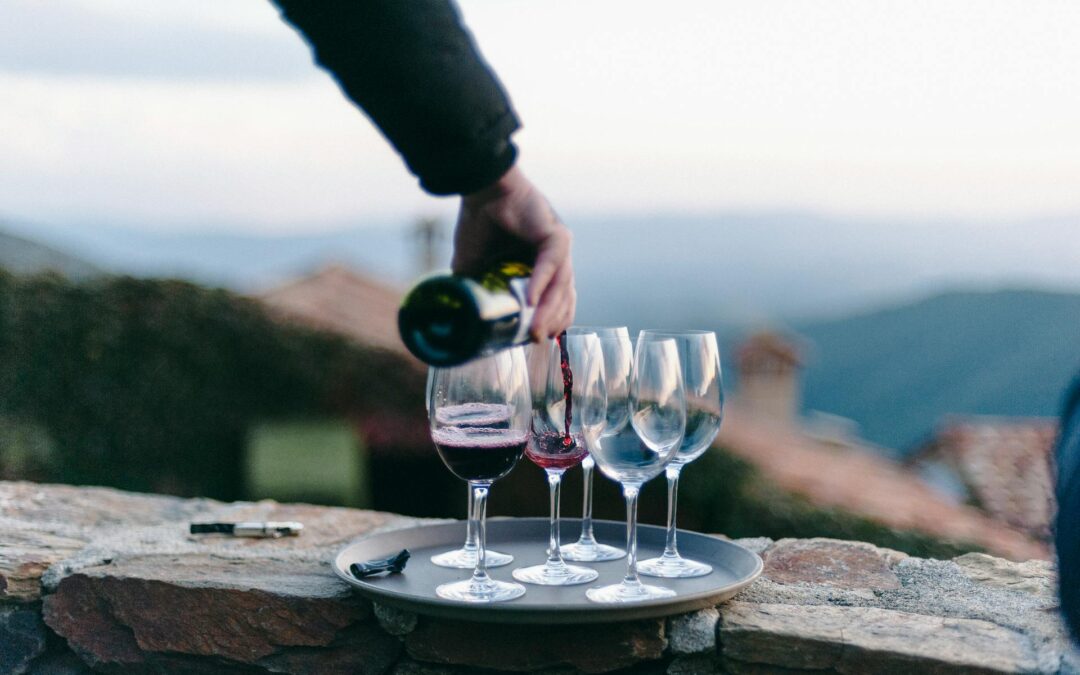
Imagine sipping a glass of red on a terrace of black lava, an active volcano steaming gently above you. That is not a fantasy. It is an ordinary afternoon in Sicily’s most exciting wine region.
An Etna wine tasting is unlike any other in Italy. Here, vineyards cling to the black volcanic slopes of Mount Etna, the tallest active volcano in Europe. Indeed, the soil is made of lava, ash and minerals, and it gives the wines a freshness, elegance and depth that have made them famous around the world.
This guide covers everything you need to plan the perfect Etna wine tasting: the grapes, the best wineries, when to go and how to fit it into your Sicily trip. It also unpacks a few details about how these vines are actually farmed that rarely make it onto a tasting menu.
What makes Etna wine so special?
The answer, once again, is the Volcano. Naturally, decades of eruptions have layered the slopes with mineral-rich volcanic soil, while the high altitude creates dramatic swings between hot days and cool nights.
As a result, the grapes ripen slowly and keep their acidity, freshness and aromatic complexity. Etna wines are known for their elegance and remarkable ability to age, qualities more often associated with Burgundy than with southern Italy.
In fact, there is even a happy accident of history. Because the volcanic soil is sandy, many of Etna’s old vines survived the phylloxera plague that destroyed European vineyards in the 19th century. As a result, some vines here are well over a hundred years old, producing intensely concentrated wines from their own native rootstocks.
The native grapes of the volcano
Which grapes actually define Etna wine? In truth, you only need to remember two names. For reds, it is Nerello Mascalese; for whites, it is Carricante. Meanwhile, Etna Rosso is made mainly from Nerello Mascalese, often with a touch of Nerello Cappuccio. The result is a pale, elegant red with bright acidity and volcanic minerality. Many people compare it to fine Pinot Noir.
Etna Bianco, meanwhile, is built around Carricante, producing crisp, mineral, age-worthy wines with citrus and saline notes. There is also a lovely Etna Rosato and, increasingly, excellent traditional-method sparkling wine. Above all, the whole region is protected by the Etna DOC appellation, established back in 1968. In fact, it remains one of Italy’s most tightly defined wine zones, and one of its most demanding to farm.
How are Etna’s vines actually grown?
Indeed, here is the detail most producers gloss over in a tasting room, but that travellers tend to find far more interesting than another note about tannin.
No wires, no trellis
Many Etna vines are trained as alberello, a low, unstaked bush shape with no wires or trellis at all. It is one of the oldest training methods in the Mediterranean, and on Etna it survives because the mountain’s fierce winds would shred a vine trained the modern way.
The roots the phylloxera never reached
Above all, even more striking is what sits underground. Because the volcanic sand chokes the phylloxera louse that wiped out European vineyards in the 1800s, a significant share of Etna’s vines were never grafted at all. Almost every other vineyard on earth, including most of California and Bordeaux, grows on rootstock imported from America to survive that plague. Etna simply never needed the fix, so some vines here are growing on their own original roots.
Terraces built and repaired by hand
Naturally, the terraces add a third layer to the story. Generations of farmers built dry-stone walls by hand to hold soil on slopes too steep for any tractor, and those walls are still repaired by hand today. Combined with alberello planting densities that can reach ten thousand vines per hectare, roughly double a typical modern vineyard, the result is some of the most labour-intensive, unmechanised viticulture left in Europe. For a closer look at the terrain itself, our guide to hiking Mount Etna explores the same slopes on foot.
Etna’s contrada system, explained
Indeed, here is where it gets fascinating. So what exactly is a contrada? In short, it is a named vineyard plot on Etna, each one shaped by a different lava flow, altitude and microclimate.
In other words, the contrade work much like the crus of Burgundy. Indeed, two wines from the same grape can taste completely different depending on which lava stratum they come from. Tasting several contrade side by side is one of the great pleasures of an Etna wine tasting.
The vineyards spread across four main slopes, with the northern slope around Randazzo, Solicchiata and Passopisciaro especially celebrated. Naturally, each slope has its own microclimate, so the same grape can taste noticeably different depending on where it grew.
Choosing your slope: north or east
In particular, most of the famous estates cluster on the northern slope. Naturally, this side is cooler and higher, and it produces many of the benchmark reds that made Etna’s modern name.
The eastern slope, around the village of Milo, tells a different story. Instead, higher rainfall here creates the greatest Carricante whites, the only wines allowed to carry the Bianco Superiore designation. Meanwhile, the estates themselves range from tiny family cellars to internationally known names. Many are built around old palmento houses, where grapes were once pressed by foot on stone.
When is the best time to visit Etna wineries?
You can taste Etna wine all year round, and each season has its own appeal. The calendar below covers the essentials for planning around it.
- Late September to October: the harvest, the most atmospheric time to visit, though book well ahead;
- Last Sunday of May: when around 150 Sicilian wineries open for special tastings with an entry ticket;
- Spring and early summer: mild weather, green vineyards and calmer cellars;
- Winter: quiet and dramatic, with snow on the summit above the bare vines.
Whichever season you choose, book directly with smaller estates rather than turning up unannounced. If you are shaping a longer stay around the visit, our guide to one week in Sicily shows where the volcano fits into a complete itinerary.
Getting to the Etna wine region
The wineries sit within easy reach of Catania, and there are a few sensible ways to get there. Most visitors combine two or three approaches depending on the day.
- Hire a driver or join a guided tour: tasting and driving never mix, especially on mountain roads;
- Book tastings in advance, particularly for the smaller, family-run estates;
- Combine wine with a volcano experience: many visitors pair a tasting with an Etna hike or crater excursion;
- Base yourself in Taormina or Catania, both within easy reach of the vineyards.
If you are staying nearby, our Taormina weekend guide shows how easily a wine day fits into a wider eastern-Sicily trip. The coast and the volcano sit closer together than most itineraries assume.
Can you visit Etna wineries without a car?
Yes, and in fact, most international visitors do. A guided wine tour is the most popular choice, since a driver-guide collects you from Catania or Taormina and handles the logistics. Moreover, many tours also pair a morning among the summit craters with an afternoon of tasting. This has become the classic Etna day, and the best introduction to the mountain for a first-time visitor. Whichever route you choose, booking directly with the winery is essential. The finest estates are small and rarely accept walk-ins, especially during harvest.
Inside a typical Etna wine tasting
Typically, a visit combines a walk through the vineyards, a look at the cellar, and a seated tasting of several wines. So what should you actually expect once you arrive? Very often it is the owner or winemaker who pours the glasses themselves.
- A vineyard walk: often among ungrafted, century-old vines on lava terraces;
- The cellar and palmento: a look at how the wine is made, sometimes in historic stone buildings;
- A seated tasting: typically three to six wines, frequently across different contrade;
- Local food pairings: pecorino, olives, cured meats and bread.
Naturally, Etna wine loves Sicilian food. Etna Rosso is wonderful with grilled meats and aged cheeses, while crisp Etna Bianco sings alongside fresh fish and seafood. For the wider context of the island’s cuisine, our guide on what to eat in Sicily is the perfect companion to any wine trip. Many of the same producers on Etna also supply the restaurants featured there.
How much does Etna wine tasting cost?
Naturally, prices vary with the estate and the depth of the experience, but the region sorts into a few broad tiers. Knowing them in advance makes it easier to choose where to spend the day.
- Simple tastings: a short flight of wines at a small family cellar, the most affordable way in;
- Tasting with cellar tour: the standard experience, usually including several wines and a food pairing;
- Premium tastings: older vintages and single-contrada flights at the more prestigious estates.
Planning a full day on the mountain
In short, a few practical tips make the day far more rewarding. Naturally, limiting yourself to two or three wineries leaves time to linger over lunch rather than rush between cellars. Above all, book ahead wherever you can. The estates are small, and the mountain roads between them take longer than the map suggests.
For travellers still working out how to reach the island in the first place, our guide to how to get to Sicily covers the best routes before you ever reach the vineyards. Getting the flights right makes everything that follows far easier to plan.
Beyond the vineyards
A wine day pairs naturally with the mountain’s other wonders. The same volcanic landscape that feeds the vines makes for some of the most striking scenery in Sicily.
- The summit craters: a cable car and 4×4 can take you up toward the active vents;
- Alcantara Gorges: dramatic basalt canyons carved by ancient lava flows, perfect for a cooling dip;
- Randazzo: a medieval town built almost entirely of black lava stone, with some of the best wine shops on the mountain.
A short detour to any of these is easy to fit around a morning of tasting, and most drivers or guides are happy to build one into the day. None of them require more than an hour or two away from the vineyards.
Where should you base yourself?
Choosing the right base depends on your travel style. Taormina is the glamorous choice, with luxury hotels and easy access to the south-east slope.
Catania suits foodies and those who want a more urban, authentic Sicilian vibe, with the airport close by. It also makes an easy base for reaching both the northern and eastern slopes in a single trip. For true wine enthusiasts, however, staying in Linguaglossa or Randazzo is the best move. Several estates now offer rooms of their own, so you can wake up in the middle of the vineyards. Tell us your dates and your style. We will handle the rest.
A wine you have to stand on the mountain to understand
You can buy Etna Rosso in New York, London or Mexico City, and it will still taste wonderful. However, something happens when you drink it on the mountain that made it, looking up at the crater that built the soil under the vines.
In truth, that is the whole case for Etna wine tasting. Come for the volcanic wines. Stay for the vineyards, the family cellars, and a mountain that has been turning lava into one of the world’s great wine regions for far longer than anyone was paying attention.
Photo: Unplash