

Everyone thinks they know what to eat in Sicily. Pasta. Arancini. Cannoli. The greatest hits, endlessly reproduced in Italian restaurants from New York to London, from Sydney to Toronto.
And yes, all of those things are extraordinary when you eat them in Sicily, made with the right ingredients, by people who have been making them the same way for generations.
However, Sicilian food goes much deeper than the greatest hits. It goes back centuries, through Arab, Greek, Norman and Spanish influences that have left their mark on every dish, every ingredient, every technique. Furthermore, it varies dramatically across the island and changes with every season. No history book quite manages to capture the story it tells.
This is that story. And it starts (as most good Sicilian stories do) with the land itself.
Why Sicilian food is unlike anything else in Italy
Sicily is not just another Italian region with its own pasta shape and local cheese. It is something considerably more complex and considerably more interesting than that.
The island sits at the crossroads of the Mediterranean, geographically, historically and culturally. Over the centuries, Greeks, Arabs, Normans and Spanish have all passed through, stayed, and left their mark on what to eat in Sicily and how locals cook it.
The result is a food culture of extraordinary depth and variety. One that combines the sweetness of Arab-influenced pastry with the bold simplicity of Greek-inspired fish cooking. One that uses saffron, raisins and pine nuts in pasta dishes, ingredients that feel entirely un-Italian until you understand where they came from. Moreover, it is a cuisine that has been absorbing influences and making them entirely its own for more than two thousand years.
Sicilian food traditions are, in the most literal sense, the history of the Mediterranean on a plate.
According to UNESCO, Mediterranean food traditions represent one of the most significant cultural heritage expressions in the world and Sicily sits at their very centre.
The land and the sea: Sicily’s two Cuisine
To understand what to eat in Sicily, you need to understand the island’s geography. Sicily has not one food culture but two, and the most interesting cooking happens at the point where they meet.
The land Cuisine
The interior of Sicily is a world of rolling hills, volcanic plains, ancient forests and mountain pastures. This is the land kitchen, a tradition of farming, herding and preserving that has remained largely unchanged for centuries.
From this tradition come:
- Aged pecorino and fresh ricotta from sheep that graze on mountain pastures;
- Extra virgin olive oil from ancient groves that produce some of the finest in the world;
- Durum wheat for the breads and pastas that form the backbone of the Sicilian diet;
- Almonds, pistachios and citrus fruit from the groves that cover the coastal plains;
- Capers from Pantelleria, small, intensely flavoured and completely irreplaceable;
- Slow-cooked meat dishes from the peasant cooking tradition, resourceful and deeply satisfying cooking that transforms simple ingredients into extraordinary meals.
The sea kitchen
Sicily has more than 1,000 kilometres of coastline, and the sea has fed the island for as long as people have lived here. The sea kitchen, on the other hand, is bold, fresh and direct, built around whatever arrived that morning at the harbour.
From this tradition come:
- Pasta con le sarde, sardines, wild fennel, pine nuts and raisins in a dish that tastes simultaneously of the sea and the interior
- Pesce spada alla ghiotta, swordfish braised with capers, olives and tomato in the ancient Arab-influenced style
- Crudo di gamberi rossi, raw Mazara red prawns, one of the finest products of the Sicilian sea
- Bottarga di tonno, cured tuna roe from the ancient tonnare of Trapani, grated over pasta like a Sicilian answer to truffle
Where they meet
The most interesting Sicilian food traditions exist in the overlap between these two worlds. Cefalù is one perfect example, where the Madonie mountains come down to meet the Tyrrhenian sea. Catania is another, where volcanic Etna soil produces ingredients for both fish and meat dishes. Furthermore, Agrigento combines ancient agricultural traditions with one of the finest coastlines in the Mediterranean.
Mount Etna: where food and landscape become one
If there is one place in Sicily where Sicilian food traditions and the natural landscape come together most dramatically, it is Mount Etna.
The volcano (Europe’s largest active volcano, a UNESCO World Heritage Site and one of the most extraordinary natural phenomena on the planet) is not simply a geological feature. It is, moreover, an agricultural ecosystem of remarkable richness and variety.
The Etna food universe
The volcanic soil of Etna is extraordinarily fertile.
- Etna wines have become one of the most talked-about wine stories in Italy over the past decade. The ancient Nerello Mascalese grape grows on volcanic terraces at altitude. It produces red wines of extraordinary elegance, wines that collectors in New York, London and Tokyo are increasingly seeking out. The white wines from Carricante grapes are equally remarkable: mineral, precise and completely unique.
- Pistachios from Bronte, grown on the western slopes of Etna, are intensely flavoured, slightly sweet and deeply green. Used in everything from pasta sauces to pastry cream to gelato of extraordinary quality, they are genuinely in a different category from any other pistachio you have tasted.
- Honey from Etna, produced from bees that forage on the wildflowers of the volcanic slopes. The varieties are extraordinary: citrus blossom, sulla, wildflower, and the rare zagara honey made from orange blossom.
- Mushrooms, porcini, ovoli and other varieties that grow in the ancient chestnut and oak forests of the upper slopes, appearing in autumn on restaurant menus in dishes of wonderful simplicity.
- Etna olive oil, produced from ancient olive groves on the lower slopes, with a flavour profile that reflects the volcanic soil in ways that are difficult to describe but impossible to miss.
Etna and 4 Ristoranti
The extraordinary food culture of the Etna area has attracted significant attention from Italian food media in recent years. When Alessandro Borghese chose this region for 4 Ristoranti, he was recognising something locals have known for decades. The combination of volcanic landscape, ancient tradition and contemporary ambition makes Etna one of the most exciting food destinations in Italy.
The episode explored not just individual restaurants but a whole food philosophy: the idea that the best Sicilian cooking is inseparable from the land that produces it. You cannot understand what to eat in Sicily without understanding the volcano, the soil, the seasons and the people who have worked this extraordinary landscape for generations.
The great dishes of traditional Sicilian cooking: extraordinary things from simple ingredients
One of the most important aspects of Sicilian food is the tradition of making extraordinary things from simple ingredients, the cooking that Sicilian families developed over centuries when nothing could be wasted.
This is not sad food. It is not compromise food. It is, however, the food that has sustained generations and it is, in many cases, the most delicious food on the island.
The great dishes of this tradition
- Pasta con le sarde starts with something humble: stale bread, toasted in olive oil until golden and crumbled over the finished dish as a substitute for cheese. Fresh sardines, wild fennel, pine nuts, raisins and saffron do the rest, creating extraordinary complexity from ingredients that cost almost nothing.
- Caponata, Sicily’s magnificent sweet and sour aubergine stew, was born from the need to preserve summer vegetables through the winter months. The addition of vinegar and sugar to the braised aubergines, celery, capers and olives creates a balance of flavours that has made this dish famous worldwide.
- Pane cunzato, bread dressed with olive oil, tomato, anchovies, capers and local cheese, is the Sicilian equivalent of a sandwich. Farmers and fishermen carried it for centuries as a portable, sustaining meal. Today, however, you will find it served in the finest restaurants on the island.
- Arancini were born as a way of using leftover risotto. The idea of encasing rice in breadcrumbs and frying it was purely practical. However, the result, with its molten centre of ragù, mozzarella or pistachio cream, has become one of the most iconic street foods in the world.
The Arab influence: Sicily’s sweet secret
Of all the historical influences on Sicilian cuisine, the Arab period (which lasted from the ninth to the eleventh century) left perhaps the deepest mark. And nowhere is that mark more visible than in the island’s extraordinary sweet tradition.
The Arabs brought sugarcane to Sicily, along with almonds, citrus fruit, saffron, cinnamon and jasmine. Sweet and savoury combinations (still central to Sicilian cooking today) arrived with them. Moreover, the technique of making sorbetto (the ancestor of gelato) from Etna snow and fruit syrups is also part of their legacy.
The results, more than a thousand years later, include:
- Cassata siciliana, a celebration cake of ricotta, marzipan, candied fruit and sponge that is simultaneously baroque in its decoration and ancient in its origins. The word cassata itself comes from the Arabic qas’at, meaning bowl.
- Cannoli, fried pastry tubes filled with sweetened ricotta and candied fruit. Every family has their own version, slightly different from the next. All of them, however, are extraordinary.
- Granita, made from the purest possible ingredients: fresh almonds, ripe fruit, intensely flavoured coffee or jasmine flowers. The granita of Catania, made with local almonds and water that filters through volcanic rock, is in a category entirely its own.
- Frutta martorana, marzipan sculpted and painted to look exactly like fruit or vegetables with extraordinary realism. Created by the nuns of the Martorana convent in Palermo in the Norman period, it remains one of the most beautiful expressions of Sicilian confectionery.
Seasonal eating: how Sicily’s food calendar works
What to eat in Sicily changes dramatically with the seasons, and understanding that calendar transforms the way you experience the island.
Spring
Wild asparagus, fresh fava beans, artichokes, the first strawberries from Marsala, fresh ricotta from sheep grazing on new grass. The season of Saint Joseph’s Day (March 19th) when the Tavole di San Giuseppe celebrate the end of winter with an extraordinary display of meatless abundance.
Summer
Swordfish from the Strait of Messina, red tuna from Trapani, aubergines for caponata, tomatoes for the strattu (the intensely concentrated tomato paste dried in the sun), watermelons, figs and the peak of the pistachio and almond harvests.
Autumn
Mushrooms from Etna, the grape harvest, the first pressing of olive oil, wild boar from the Madonie mountains and the first cold-pressed extra virgin olive oil of extraordinary freshness.
Winter
Citrus fruit at its finest (blood oranges, mandarins, lemons), slow-braised meat dishes, rich bean and vegetable soups that have sustained Sicilian families through cold months for centuries, and the Christmas sweets that vary from town to town and family to family.
Where to eat: finding the real thing
The question we are asked most often is simple: where do I eat in Sicily to find authentic food rather than the tourist version?
The honest answer is equally simple: follow the locals.
First of all, eat where there is no English menu in the window. Not because Sicilians are unwelcoming (quite the opposite) but because a restaurant that has translated its menu for tourists has usually also simplified its cooking for them.
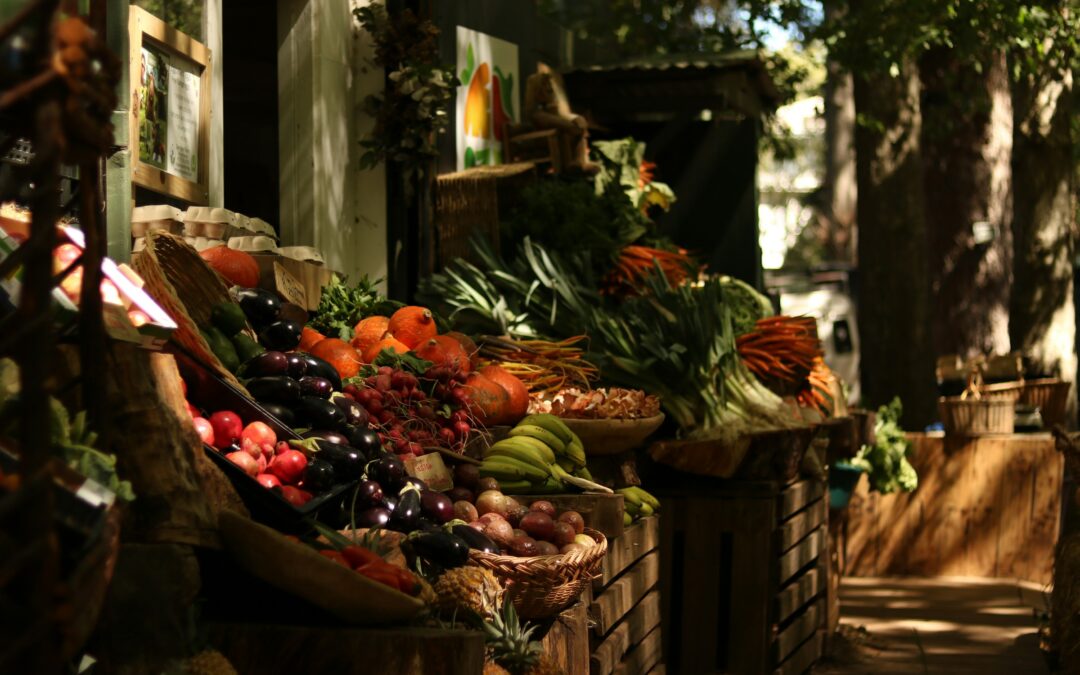
In addition, go to the market first. Understanding what is in season and what local producers are bringing in that week tells you immediately what to order when you sit down.
Furthermore, ask your accommodation host. Ask where they personally go for Sunday lunch. That answer is worth more than any guidebook.
Be willing to drive. The finest traditional cooking in Sicily is almost never in the most touristic locations. It is in small towns of the interior, villages along the less-visited stretches of coast, the agriturismi in the mountains where the chef is also the farmer.
How Time for Sicily can help you
The best way to experience what to eat in Sicily is with someone who already knows where to go.
The finest pistachio cream on the slopes of Etna. The best street food stall at Palermo’s Ballarò market. The small-town restaurant that has cooked the same slow-braised lamb for three generations and never once put it on Instagram.
This is the knowledge we have built over years on this island. It is exactly what we offer.
Ready to build your culinary itinerary? Schedule a session with our local organiser and together you will design a food-focused Sicily trip built entirely around your tastes, from Etna wine producers to Palermo street food to the finest restaurant tables on the island.
Final thoughts
Sicilian food is not a museum exhibit or a performance for tourists. On the contrary, it is a living and evolving expression of who Sicilians are, every dish carrying history, every ingredient carrying the geography of the place that produced it.
What makes it extraordinary, however, is not just the quality of the food itself. It is the fact that it is still cooked with genuine pride, eaten with genuine pleasure, and shared with a generosity that feels completely natural and completely unstoppable.
Come curious and come hungry. Say yes to everything that is offered. You will not regret a single bite.
Photo: Unsplash