

Imagine walking through a small Sicilian village on March 19th and stumbling upon an explosion of flowers, food, and music filling every corner of the street. No, it is not a film set. It is not a private party.
It is Saint Joseph’s Day in Sicily, and it might just be the most extraordinary thing to do in Sicily in March that you have never heard of.
While the rest of the world treats March 19th as a quiet religious holiday, Sicily transforms it into something completely unforgettable. A centuries-old tradition rooted in faith, community and incredible food, this is not the Sicily you will find in mainstream travel guides. This is the real thing.
And here is the best part: while everyone else is fighting for sun loungers in August, you will have this entire magical celebration almost entirely to yourself.
What is Saint Joseph’s Day in Sicily?
Saint Joseph’s Day in Sicily (known locally as Festa di San Giuseppe) falls on March 19th each year. It marks the feast of Saint Joseph, the earthly father of Jesus Christ, and it is one of the most important dates in the Sicilian cultural calendar.
In mainland Italy, March 19th passes relatively quietly. But in Sicily, Saint Joseph’s Day is something else entirely.
The legend behind the tradition
According to local legend, Sicily was once struck by a devastating drought. Crops failed, animals perished, and the people faced starvation. In desperation, the Sicilians turned to Saint Joseph (patron saint of the poor) and made him a solemn promise: if the rains returned, they would honour him with the most magnificent feast the island had ever seen.
The rain came. The crops were saved. And the Sicilians kept their promise.
From that moment, the tradition of the Tavole di San Giuseppe (Saint Joseph’s Tables) was born. Passed down for hundreds of years, it remains one of the most powerful expressions of Sicilian cultural identity in existence.
This is living history. And you can witness it firsthand every year on March 19th.
The Tavole di San Giuseppe: Sicily’s most spectacular food display
The heart of any Saint Joseph’s Day celebration in Sicily is the Tavola di San Giuseppe, literally, Saint Joseph’s Table.
Do not picture a simple dining table. What you will find is something far more extraordinary.
What are the Tavole?
The Tavole di San Giuseppe are elaborate, towering displays of food, flowers, religious symbols and decorative elements, built by local families and communities in honour of Saint Joseph.
Each Tavola is completely unique. Some are modest and intimate, created by a single family. Others are monumental structures that take weeks to build, featuring hundreds of dishes, towering sculptural breads, seasonal vegetables, pastries and sweets stacked almost to the ceiling.
The display is always strictly meatless, in keeping with Lent. But do not let that fool you. The variety and creativity on a Sicilian Tavola is absolutely breathtaking and it is, without question, one of the most visually spectacular things to do in Sicily in March.
What you will find on the table
- Sfinci di San Giuseppe — fried cream puffs filled with fresh ricotta, candied fruit and dark chocolate. Made once a year, on this day only. Non-negotiable;
- Pane di San Giuseppe — elaborately sculpted bread shaped into crosses, fish and lilies, crafted by local artisans with extraordinary skill;
- Pasta con le sarde — sardines, wild fennel, pine nuts, raisins and saffron. Ancient, complex and completely delicious;
- Maccu — a thick soup of dried fava beans, directly connected to the original legend of the famine;
- Ceci e finocchietto — chickpeas with wild fennel, rooted in the cucina povera tradition of the Sicilian countryside;
- Fresh seasonal vegetables, citrus fruits, local olives and aged Sicilian cheeses.
The Tavola is simultaneously a work of art, a religious offering and a community statement. Families spend weeks preparing it and the pride in every detail is visible and deeply moving.
The ceremony: more than just food
The Tavole di San Giuseppe are not simply left on display. They are the centrepiece of a ceremony that has remained almost unchanged for centuries.
The Three Saints
In many Sicilian villages, three people from the community (traditionally a child, a middle-aged man and an elderly person) are chosen to represent the Holy Family: Jesus, Mary and Joseph.
They are welcomed as honoured guests, seated at the Tavola and served first. By feeding these three people, the community re-enacts the original act of generosity that gave birth to this tradition centuries ago.
It is simultaneously religious ritual, community theatre and living history — and there is nothing quite like it anywhere else in the world.
The blessing
Before the feast begins, a local priest arrives to bless the Tavola and all who contributed to it. Even visitors with no religious faith often find this moment genuinely moving. The combination of community, history, food and human warmth is something you simply cannot replicate.
The feast
Once the blessing is complete, food is shared freely with neighbours, strangers and anyone who passes by. In the spirit of San Giuseppe (protector of the poor and the humble) nobody is ever turned away from the table.
This unconditional generosity is what makes Saint Joseph’s Day in Sicily so special. And so completely, unmistakably Sicilian.
Where to celebrate Saint Joseph’s Day in Sicily
Virtually every town and village in Sicily celebrates March 19th, but certain places are particularly famous for their celebrations.
Salemi — The capital of Saint Joseph’s Day
The small hilltop town of Salemi, in the province of Trapani, is the most important destination for Saint Joseph’s Day in Sicily. The entire town transforms for the occasion.
Salemi’s Tavole are internationally renowned for their extraordinary sculptural breads, intricate religious shapes crafted by artisans who train for years to perfect the technique. If you can only visit one place on March 19th, make it Salemi.
Palermo — The capital celebrates
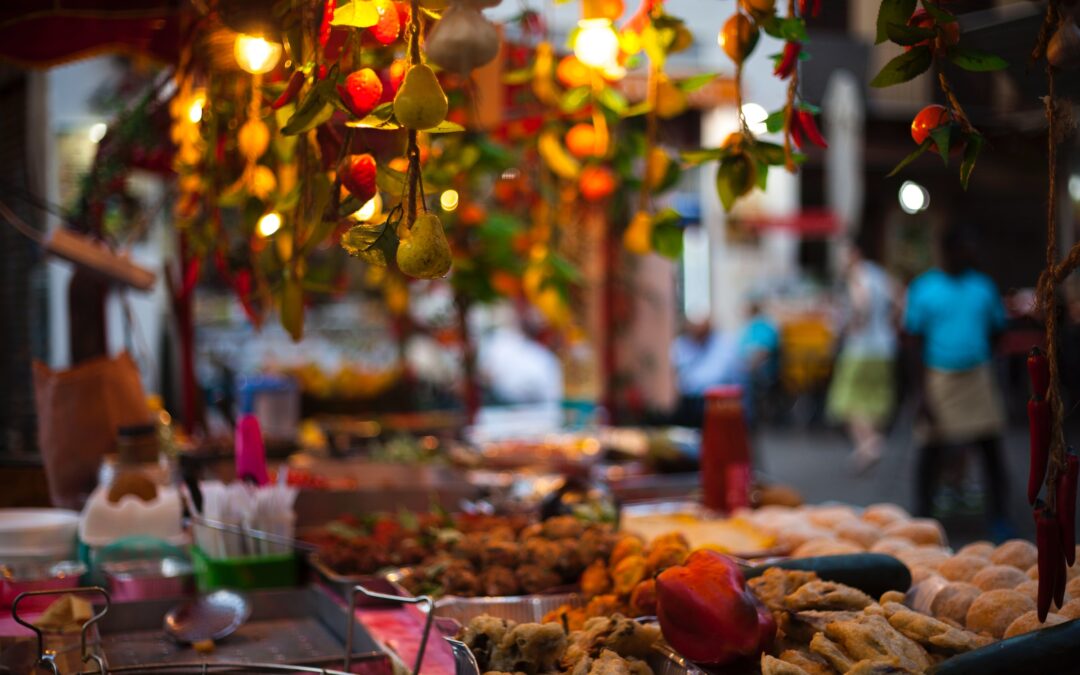
In Sicily’s regional capital, Tavole appear in neighbourhood squares, courtyards and churches across every district. The Ballarò market area — one of Palermo’s most atmospheric corners, with roots going back to the Arab period — is particularly extraordinary on this day.
Agrigento — Temples and traditions
Near the iconic Valley of the Temples, one of the best-preserved ancient Greek sites in the world and a UNESCO World Heritage Site Agrigento celebrates San Giuseppe with particular warmth and devotion.
Combining a morning at one of Sicily’s most spectacular archaeological sites with an afternoon immersed in the San Giuseppe celebrations makes for one of the most extraordinary days you can spend anywhere in the Mediterranean.
Small Villages — The hidden gems
For the most authentic experience, seek out the smaller villages. Where mass tourism has not arrived, the celebrations feel entirely genuine — not a performance for visitors, but a living community ritual observed exactly as it has been for generations.
Ask locally, follow the sounds of music and laughter, and let yourself get slightly lost. This is when Sicily reveals itself most generously.
Practical tips for Saint Joseph’s Day in Sicily
- Arrive early. The blessing ceremonies take place before midday. Arriving late means missing the most atmospheric moments.
- Dress respectfully. Many celebrations take place in or around churches. Cover shoulders and knees out of respect for the communities sharing their traditions with you.
- Bring cash. Smaller villages often have limited ATM availability. Cash is essential for buying food and local products.
- Learn a few words of Italian. A simple buongiorno or grazie will open doors, warm hearts and occasionally lead to invitations that no travel guide could ever arrange.
- Try the Sfinci. Ricotta-filled fried pastries, made once a year on this specific day. Leaving Sicily on March 19th without eating one is simply not an option.
- Go with an open schedule. This celebration is spontaneous, communal and unhurried. Let the day unfold in its own Sicilian way.
Why Spring is the perfect time to visit Sicily
Saint Joseph’s Day falls at one of the most magical moments in the Sicilian calendar. Winter is behind us, the landscape is at its most lush and green, and the wildflowers are everywhere.
Visiting Sicily in spring means:
- Perfect temperatures — 15°C to 21°C, ideal for exploring;
- Dramatically fewer tourists — beaches, ancient sites and restaurants almost to yourself;
- Lower prices — flights and accommodation significantly cheaper than summer;
- Wildflowers everywhere — poppies, broom, fennel and orchids covering every hillside;
- Authentic local festivals — Saint Joseph’s Day is just the beginning.
How time for Sicily can help you
Finding an authentic Saint Joseph’s Day celebration in Sicily (especially in a small village where nothing is advertised online) is exactly the kind of thing we do every day.
To get around once you arrive, travelling Sicily by train is easier and more rewarding than most people expect. When the celebrations are over, the most beautiful beaches in Sicily will show you exactly where to head next — especially in spring, when you might have them entirely to yourself.
Not sure where to start? Book a free call with our team, just honest advice from people who know this island inside out.
Ready to plan the details? Schedule a session with our local organiser and together you will build a personalised itinerary perfectly matched to your dates and style.
Want everything taken care of accommodation, transport, restaurant reservations and WhatsApp support throughout your trip? Our complete Sicily experience service means you just show up. We handle the rest.
Final thoughts
Saint Joseph’s Day in Sicily is not a tourist attraction. It is not a reconstruction staged for outsiders. It is a living, breathing tradition that connects modern Sicilians to their ancestors, their faith and their community in one of the most powerful ways imaginable.
If you are in Sicily on March 19th, do not stay in your hotel. Find the nearest village, follow the smell of fried dough and wildflowers, and let yourself be swept up in one of the most authentic celebrations the Mediterranean world has to offer.
And if you are not yet planning to be in Sicily on March 19th?
Well. Now you have a reason.
Photo: Unsplash